

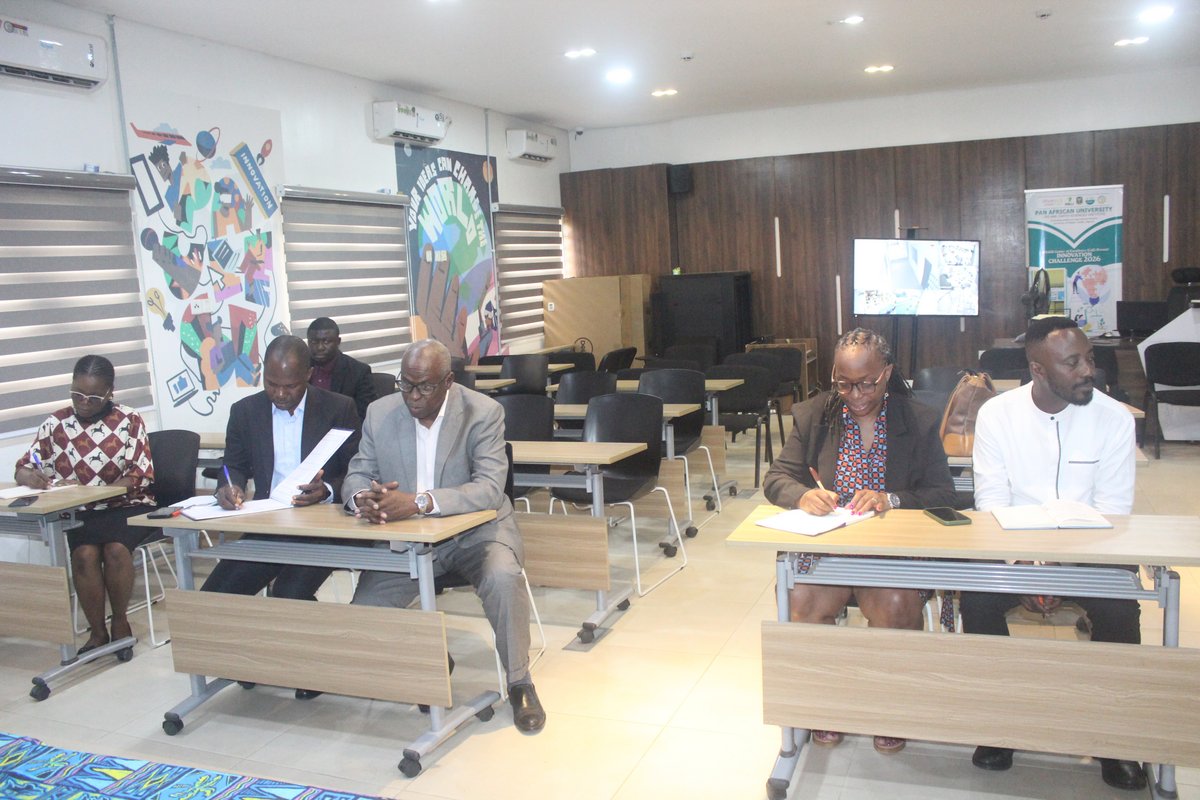
PAULESI Hosts SHARPER Project Team, Explores Collaboration on Health Innovation
The Pan African University Life and Earth Sciences Institute (PAULESI) received a delegation from the SHARPER (Strengthening Health Systems Capacity in Africa for Pandemic Equity and Responsiveness) Project on the 12th of October, 2026. The SHARPER Project, led by the College of Medicine, University of Ibadan (CoMUI), Nigeria, seeks to establish comprehensive ethical guidelines, expand local institutional capacities, and provide fully-funded grants to next-generation African researchers leading pandemic equity innovations across the continent.
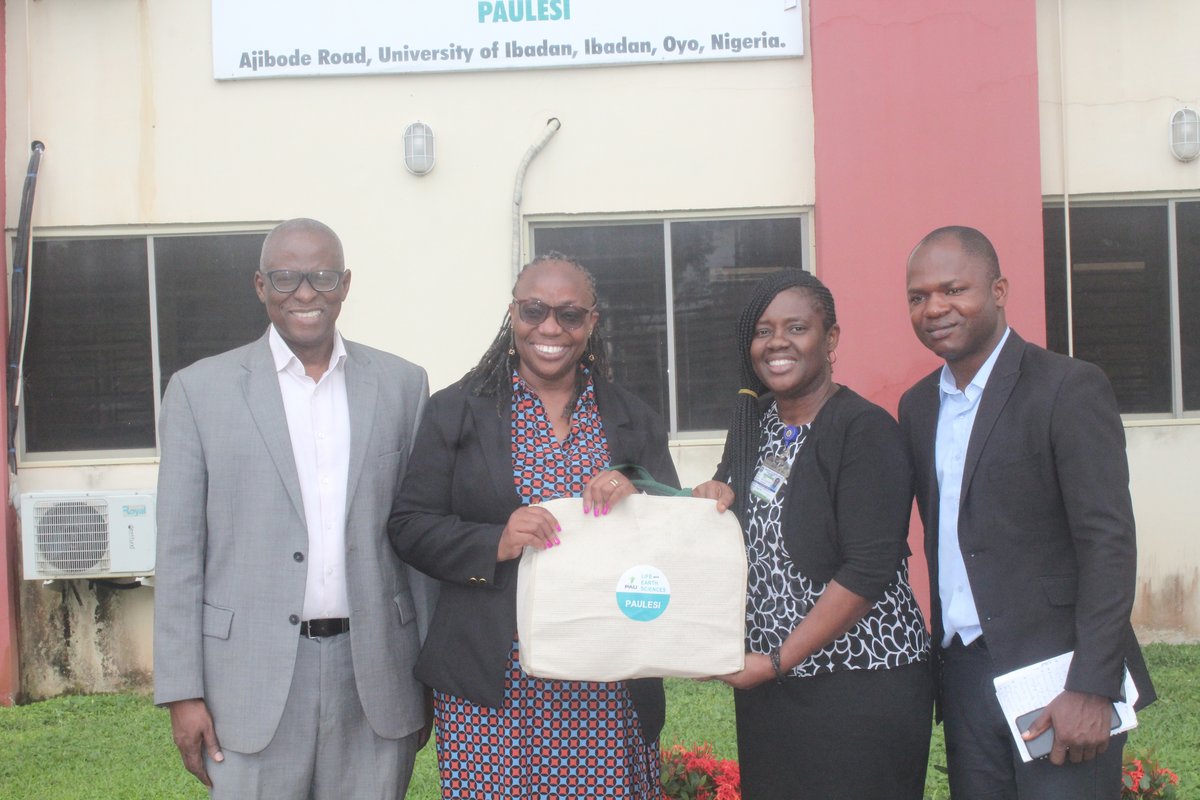
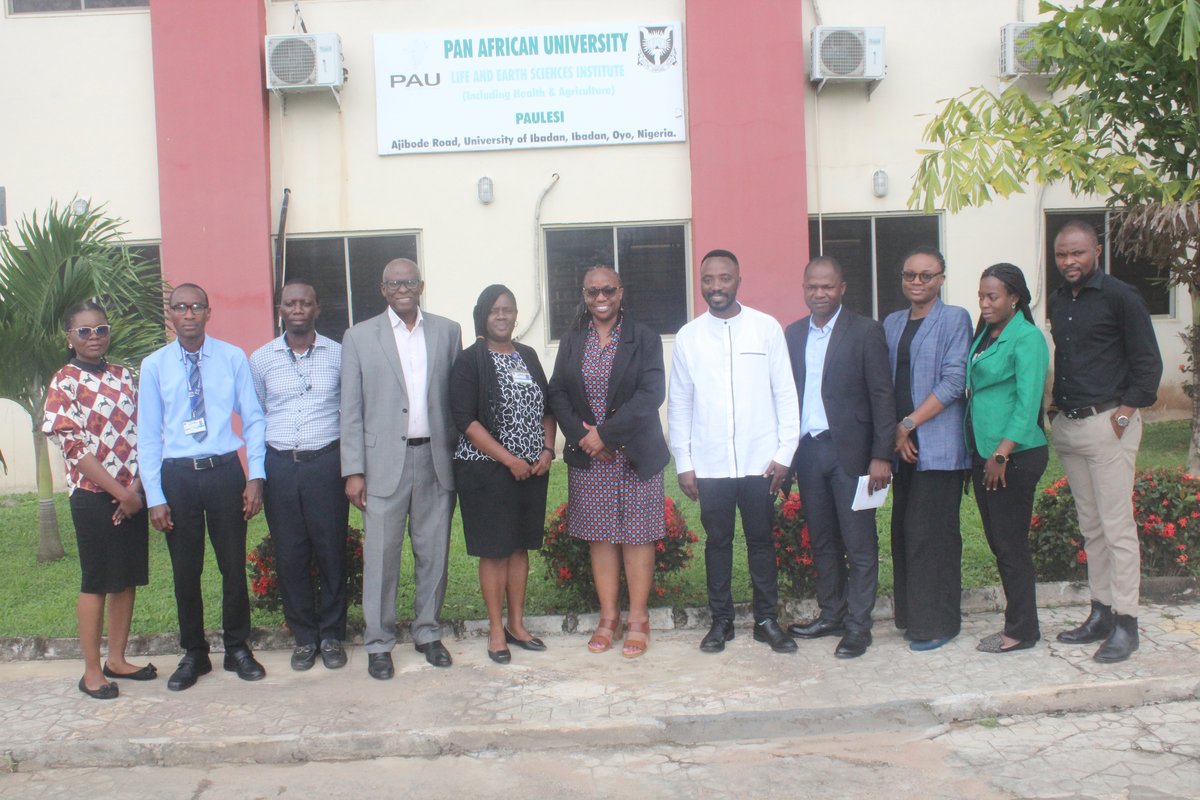
The visiting team was led by Professor Ademola Ajuwon, Principal Investigator of the multi-country SHARPER consortium, and included Allen Mukhwana, Head of Programmes, Strengthening Science Ecosystems, Science for Africa Foundation; Adekeye John Toba, Project Programme Coordinator, SHARPER Project; Nduibuisi Favour Chiebuka; Vincent Nkundimena; and Adeshola Adams, Communication Officer, SHARPER. They were received by the PAULESI team led by Mrs. Vivian Alasoadura, Secretary to the Institute, who represented the PAULESI Director, Prof. Mubo Sonibare, who was unavoidably absent owing to an official engagement away from the Institute.
Speaking on behalf of the delegation, Ms. Allen Mukhwana explained that PAULESI was identified as one of the institutions aligned with SHARPER's thematic areas. This recognition, she noted, followed a recommendation by the Vice Chancellor of the University of Ibadan, Prof. Kayode Adebowale, during the team's courtesy visit to his office. Ms. Mukhwana stated that the delegation sought to learn more about PAULESI and to understand the systems the institute has put in place to support students from the classroom through to research and innovation, which is one of the core interests of the SHARPER Project.
She further highlighted SHARPER's approach to innovation in research, which includes guiding innovations from proof of concept to product development, training in the recognition and protection of Intellectual Property (IP), strengthening institutional mechanisms and technological transfer, a masterclass cum immersion programme in industry where the system supports innovators along the innovation journey, and identifying industries for partnership and mentorship throughout the innovation process.
Responding to the delegation's inquiries, Mrs. Vivian Alasoadura stated that PAULESI is a flagship institution of the African Union, hosted by the University of Ibadan, Nigeria, and is dedicated to advancing science, technology, and innovation to address Africa's most pressing challenges in health, agriculture, and the environment. She emphasised that for PAULESI, entrepreneurship and innovation are not supplementary activities but are central to its mission as an African Union flagship institution. They serve as the essential bridge between the institute's advanced scientific research and its ultimate goal of driving Africa's socio-economic transformation.
Reinforcing this position, the PAULESI Liaison Officer explained that the institute's entrepreneurship and innovation initiatives ensure its research on pressing African challenges in health, agriculture, and the environment does not remain confined to laboratories, but is transformed into viable products, services, and businesses. Through facilities such as the PAULESI Incubation Hub, students learn to identify market opportunities in local problems, including converting plastic waste into 3D printing filament. Programmes such as the Student Innovation Programme, run through the PAULESI Centre of Excellence, guide participants through business strategy, value proposition design, and go-to-market planning to turn ideas into credible ventures.
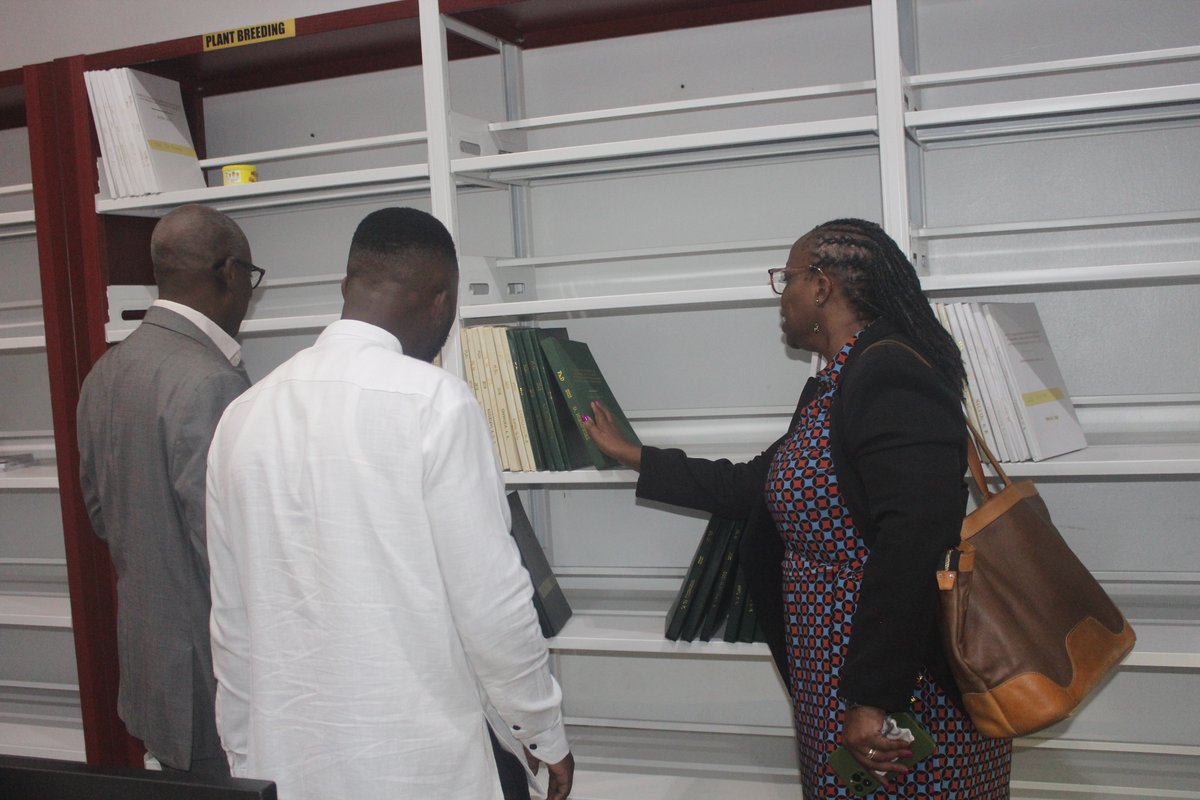
Both teams discussed possible areas of collaboration, and Professor Ademola Ajuwon inquired about the possibility of involving PAULESI students in developing solutions to specific problems identified by the SHARPER Project, an idea that was warmly received. The visit concluded with a facility tour of the 3D Lab and the Molecular Lab at PAULESI, giving the delegation a firsthand view of the institute's research and innovation infrastructure.